
Author: Prof. Dr. Aytaç Çetinkaya · Medically reviewed by: Prof. Dr. Aytaç Çetinkaya · Updated: 2026-06-19
Short Answer
HbA1c reflects average blood sugar control over the past 2–3 months and can directly affect the rate of healing of a diabetic foot ulcer. When HbA1c is high, the immune response weakens, the risk of infection increases, and microcirculation and tissue repair are impaired; this is one of the most common reasons behind the question, “Why won’t my diabetic foot ulcer heal?”
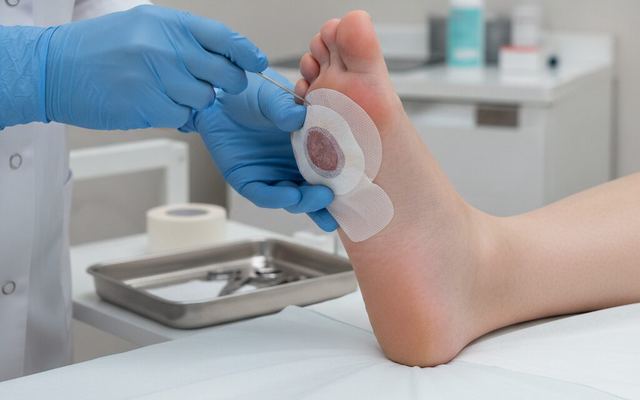
A diabetic foot ulcer is a condition that often starts as a “small wound” but can grow rapidly; it can become complicated by infection, circulatory problems, and nerve damage (neuropathy). One of the questions patients ask most frequently is “Why won’t a diabetic foot ulcer heal?” There is no single answer to this question; however, in practice, one of the most critical and manageable factors is blood sugar control. This is because high blood sugar affects not only overall health but also the microscopic healing mechanisms of the wound.
In this article, you’ll find clear, actionable answers to questions such as “What is HbA1c?,” “What should blood sugar levels be?,” “What happens when blood sugar rises?”, and “How does high blood sugar affect the wound healing process?” We’ll also summarize the steps to support blood sugar control to accelerate healing in diabetic foot ulcers and explain when an urgent evaluation is needed.
Why don’t diabetic foot ulcers heal?
Diabetic foot ulcers typically heal slowly because multiple factors are present at the same time; the most common causes are high blood sugar (hyperglycemia), nerve damage (neuropathy), poor circulation, and infection. A wound is not “just a break in the skin”; healing requires sufficient oxygen, good blood flow, a balanced immune response, and proper pressure management.
The main factors delaying the healing of a diabetic foot ulcer are:
- High blood sugar (hyperglycemia): It weakens the function of immune cells, increases the risk of infection, and slows tissue repair. This is one of the fundamental mechanisms explaining the “high blood sugar and wound healing” relationship.
- Diabetic neuropathy (nerve damage): Sensation of pain and pressure is reduced; the person does not notice trauma to the foot, continues to put pressure on the same spot, and the wound deepens. (Related reading: Symptoms of Foot Numbness and Nerve Damage in Diabetes: How to Recognize Neuropathy?)
- Circulatory disorder (peripheral artery disease): Blood flow to the foot decreases; because the delivery of oxygen and nutrients is impaired, the wound “lacks the necessary resources” and healing is delayed.
- Infection (soft tissue and/or bone): Infections in diabetic feet can progress rapidly; sometimes bone involvement (osteomyelitis) significantly prolongs healing.
- Failure to reduce pressure (insufficient off-loading): Without proper footwear, orthotics, or rest, every step causes the wound to be “re-traumatized.” (Related reading: How to Choose Diabetic Shoes and Insoles: A Foot Protection Guide for People with Diabetes)
- Comorbidities: Conditions such as smoking, kidney failure, malnutrition, anemia, and uncontrolled blood pressure or cholesterol can hinder healing.
How does the “non-healing” cycle develop in diabetic foot ulcers?
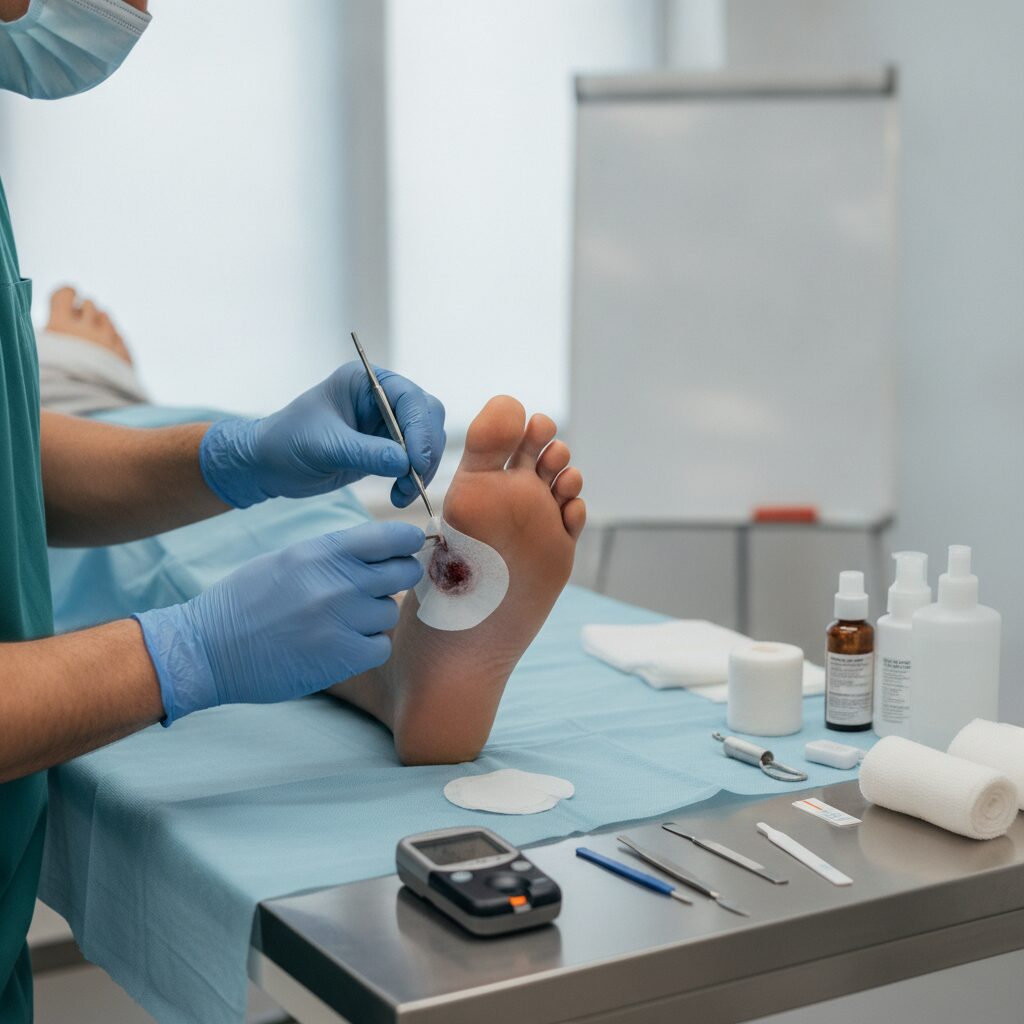
A common cycle in diabetic foot care is as follows: neuropathy → unnoticed pressure/injury → wound → increased risk of infection due to hyperglycemia → further tissue damage → larger wound. For this reason, simply changing dressings is often not enough; blood sugar control, pressure relief, and infection management must be addressed together.
What is HbA1c, and why is it related to diabetic foot wound healing?
HbA1c is a blood test that reflects the average blood sugar level over the past 2–3 months and is one of the key indicators for assessing long-term diabetes control. While momentary measurements throughout the day (such as fingerstick tests) show fluctuations, HbA1c summarizes the “overall trend”; therefore, it is very valuable in treatment planning for people with diabetic foot ulcers.
Why does a wound heal more slowly when HbA1c is high?
When HbA1c is high—meaning blood sugar has been elevated for an extended period—several specific effects arise that slow wound healing:
- Weakened immune system: The ability of white blood cells to fight off microbes may decrease, which increases the risk of infection in the diabetic foot.
- Prolonged inflammation: The inflammatory phase necessary for wound healing may last “longer than necessary,” delaying the transition to the tissue repair phase.
- Microcirculatory dysfunction: Blood flow and oxygenation at the level of small blood vessels may be adversely affected; the wound bed may not receive adequate nourishment.
- Collagen and tissue repair: Tissue formation and repair processes may be negatively affected; this can delay wound closure.
For this reason, “blood sugar control” is central to the management of the diabetic foot: No matter how good the wound care is, healing may be more difficult if HbA1c remains high for a long time.
What should the HbA1c level be?
The HbA1c target varies from person to person; factors such as age, risk of hypoglycemia (low blood sugar), comorbidities, and any accompanying infection or circulatory issues related to the wound influence the target. While the target may be stricter for many people, more flexible targets may be chosen for others for safety reasons. The most appropriate target range should be determined by the treating physician.
How are HbA1c and home blood sugar measurements interpreted together?
HbA1c provides an “average”; however, some people may experience significant fluctuations—with blood sugar levels rising and falling sharply—throughout the day. In such cases, HbA1c alone may not provide a sufficient picture. For patients with diabetic foot ulcers, a safer treatment plan is developed by evaluating both daily measurements and HbA1c monitoring together.
What Should Blood Sugar Levels Be, and What Happens When They Rise?
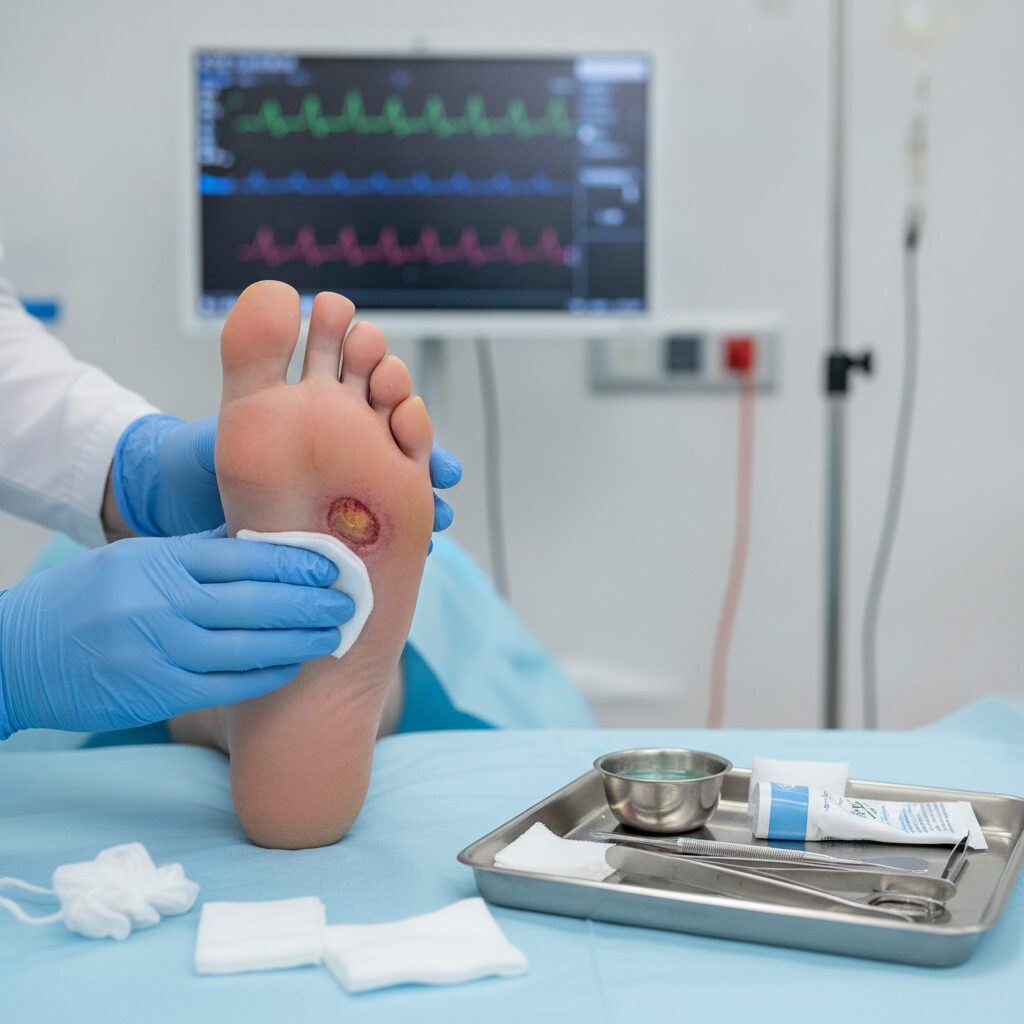
The answer to the question “What should blood sugar levels be?” varies depending on the time of measurement (fasting/postprandial), the person’s type of diabetes, the medications used, and the risk of hypoglycemia; general targets should be personalized by the physician. For people with diabetic foot ulcers, the goal is not merely a “numerical target,” but to ensure stable and safe control.
The table below helps illustrate the general framework commonly used in clinical practice (individual targets may vary):
| Measurement time | What does it indicate? | Why is it important? |
|---|---|---|
| Fasting blood sugar | Basal control at night and in the morning | If consistently high, HbA1c rises, and healing may be difficult |
| Postprandial (1–2 hours after a meal) | Post-meal spikes | If fluctuations increase, tissue repair and infection control may become more difficult |
| HbA1c | 2–3-month average | Helps predict long-term control and risks related to wound healing |
What happens when blood sugar rises?
What happens when blood sugar rises? In the short term, symptoms such as thirst, frequent urination, fatigue, and blurred vision may occur; more importantly, high blood sugar can weaken the immune response, increasing susceptibility to infections. In a person with a diabetic foot ulcer, this situation can become more serious, accompanied by symptoms such as increased discharge, spreading redness, odor, swelling, and a deterioration in overall condition.
The practical consequences of high blood sugar in a diabetic foot ulcer may include:
- Easier development of infection and greater difficulty in controlling it
- Increased swelling and inflammation around the wound
- Wound tissue becoming more fragile
- Treatment (dressings, antibiotics, surgical debridement) taking longer
At what blood sugar level does it become dangerous?
Although the “dangerous” threshold varies from person to person, very high levels (especially if accompanied by symptoms) and recurring spikes may require urgent evaluation. If blood sugar remains consistently high in the presence of a diabetic foot ulcer, this increases the risk of the wound worsening and requires a prompt review of the treatment plan.
How does blood sugar control support healing in a diabetic foot ulcer?
Blood sugar control does not guarantee healing in a diabetic foot ulcer on its own, but it reduces one of the biggest obstacles to healing. The following steps are typically planned together for most patients:
- Regular monitoring: Home blood glucose measurements + HbA1c monitoring according to the physician’s plan
- Medication/insulin adherence: Skipping doses or irregular use can increase blood glucose fluctuations
- Dietary regimen: Carbohydrate management, regular meals; adequate protein and calorie intake for wound healing
- Pressure relief (off-loading): Appropriate shoes/insoles, rest if necessary, or special devices
- Daily foot care: Skin checks, prevention of cracks, nail and callus management (Related reading: Diabetic Foot Care: A Guide to Daily Prevention at Home (Nail, Callus, and Foot Checks))
When should you see a doctor?
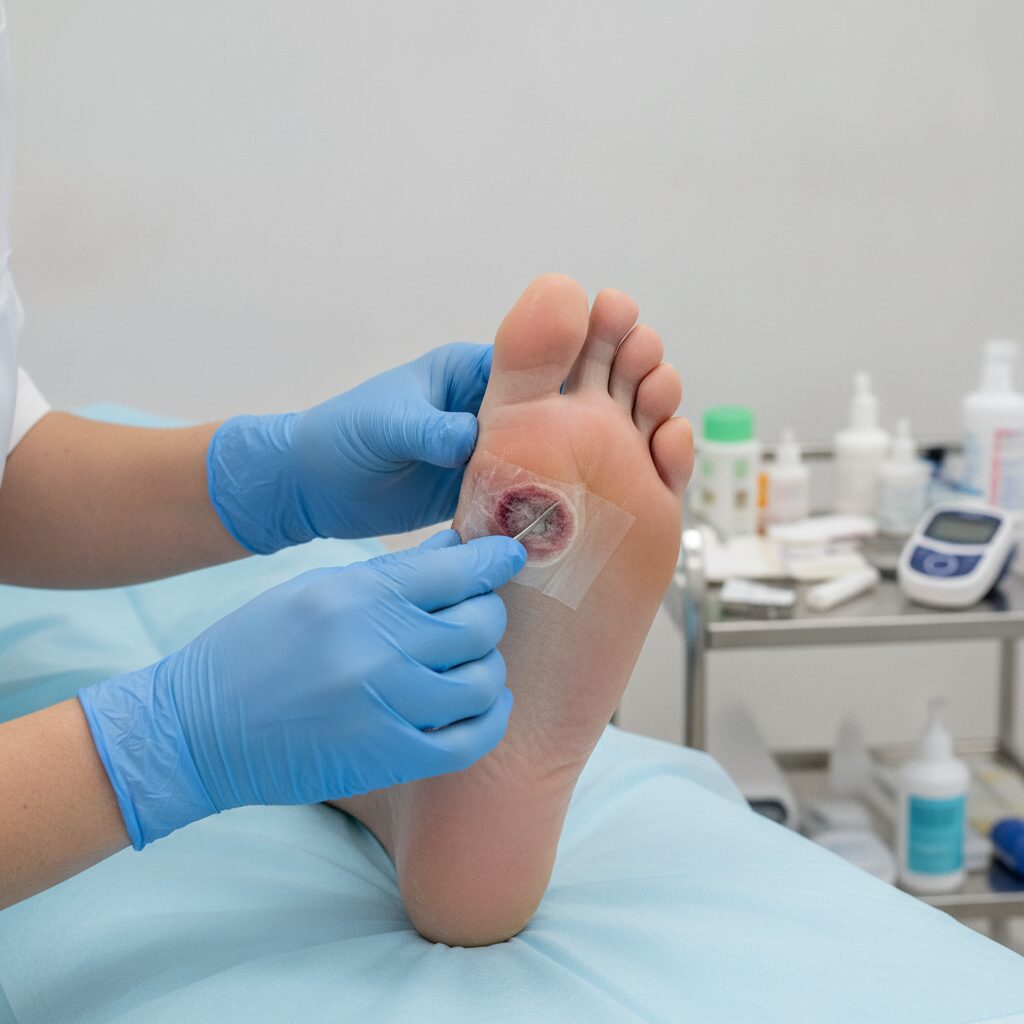
If you notice any of the following signs in a diabetic foot wound, you should seek medical attention immediately:
- Rapidly spreading redness, increased heat
- Foul odor, pus/discharge, bruising around the wound
- Fever, chills, or significant fatigue
- Blackening of the foot or rapidly increasing tissue loss (suspected gangrene)
- Wound enlargement accompanied by uncontrolled spikes in blood sugar
Prompt evaluation is particularly important in cases of suspected gangrene. (Related reading: Diabetic Foot Gangrene: Symptoms, Stages, and Non-Amputation Treatment Options)
Internal Link Suggestions
- Which Doctor and Department Should You Visit for Diabetes and Diabetic Foot?
- Gangrene in the Diabetic Foot: Symptoms, Stages, and Treatment Options Without Amputation
- How to Choose Diabetic Shoes and Insoles: A Foot Care Guide for People with Diabetes
- Diabetic Foot Care: A Guide to Daily Prevention at Home (Nail, Callus, and Foot Checks)
- Symptoms of Foot Numbness and Nerve Damage in Diabetes: How to Recognize Neuropathy?
- Foot Swelling and Edema in Diabetes: Causes, Symptoms, and Treatment
- Wagner and PEDIS Classification of Diabetic Foot Ulcers: Staging and Significance
This content is for informational purposes only. The information on this site is meant to support you; it does not replace a physician's medical examination, diagnosis or treatment. Please consult a doctor for decisions about your health.