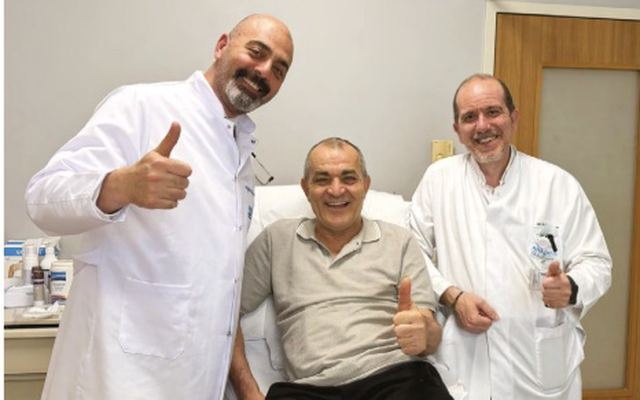


Diabetic foot ulcers, chronic wounds, and infected foot wounds are often not due to a single cause. Therefore, Prof. Dr. Aytaç Çetinkaya’s treatment approach is based on a multidisciplinary evaluation model that does not only focus on the wound surface but also considers all medical factors that may lead to the formation, progression, or non-healing of the wound.
In diabetic foot, the circulation status, nervous system involvement, blood sugar control, infection risk, and bone and soft tissue involvement should be evaluated together. This holistic view also forms the basis of the question which doctor and department to consult for diabetic foot issues.
Why is a Multidisciplinary Approach Important?
The visible wound in diabetic foot is often just the tip of the iceberg. In the same patient, high blood sugar can slow healing, nerve damage (neuropathy) can delay the patient’s awareness of the wound, and vascular blockage can reduce blood flow to the tissue, preventing the wound from closing.
Each of these factors concerns a different specialty. An approach that focuses only on wound dressing often falls short when it ignores these underlying causes. The aim of the multidisciplinary model is to evaluate these causes simultaneously and plan the treatment accordingly.
What Does Each Specialty Evaluate?
In a diabetic foot patient, different specialties contribute to the process based on the findings:
| Field | What it evaluates | Typical method |
|---|---|---|
| Wound care & infection | Depth, stage, infection load of the wound | Wagner/PEDIS staging, wound culture |
| Endocrinology | Blood sugar control and metabolic status | HbA1c monitoring, treatment adjustment |
| Neurology | Nerve damage, loss of sensation, burning and numbness | Neurological examination, EMG if necessary |
| Cardiovascular surgery / interventional radiology | Circulation, vascular blockage, adequacy of blood flow | Doppler, ABI measurement, angiography |
| Orthopedics | Bone-joint involvement, deformity, pressure points | Orthopedic examination, imaging |
These evaluations are not independent of each other; a finding in one area directly affects the treatment decision in another.
How Are Wound, Circulation, Nerve, and Infection Addressed Together?
Blood sugar control plays a critical role in the healing of diabetic foot ulcers. With endocrinology support, patients’ blood sugar regulations are monitored, and treatment is planned as part of this whole. For more details, see our article on blood sugar control and wound healing.
Nerve involvement (neuropathy) is common in diabetic foot and is an important part of the evaluation. Symptoms such as loss of sensation, burning, numbness, and pain are considered because wounds can progress unnoticed in a foot that does not feel. For more details, see our article on diabetic neuropathy and nerve damage.
Circulation status can be evaluated with the cardiovascular surgery or interventional radiology team regarding leg vessels and vascular blockages. Methods such as Doppler and ABI are used to examine the adequacy of blood flow; interventions to ensure vascular patency are planned if necessary.
Infection and wound management are at the center of the process. The severity of the wound is graded using the Wagner and PEDIS classification, the causative microorganism is identified with wound culture, and treatment is directed accordingly. Methods such as oxygen therapies can also be considered to support advanced wound healing.
What Does Simultaneous Evaluation Mean?
While examining patients’ feet and wounds, simultaneous orthopedic evaluation can also be conducted. In this approach, an team-based evaluation is emphasized without highlighting individual doctors’ names. The aim is to detect factors such as deformity, pressure points, and bone involvement at an early stage and plan treatment without delay.
Thanks to this holistic model, the patient is not only considered as “a person with a wound” but as a whole, with blood sugar, circulation, nerve, infection risk, and orthopedic status evaluated together.
How Does the Multidisciplinary Process Work?
Multidisciplinary evaluation is not about sending the patient to different doors one by one; it is about combining the findings into a single treatment plan. The typical flow is as follows:
- Initial evaluation: The wound, foot structure, and general condition are examined; the risk level is determined.
- Targeted investigation: Underlying causes are revealed with circulation (Doppler/ABI), nerve examination, blood sugar (HbA1c), and wound culture if necessary.
- Joint treatment plan: Findings from relevant specialties are combined, and wound care, infection management, circulation, and blood sugar regulation are planned in coordination.
- Follow-up: Healing is monitored; the plan is updated if necessary.
This coordination ensures that the treatment focuses not only on closing the wound but also on preventing recurrence.
Conclusion
Prof. Dr. Aytaç Çetinkaya’s diabetic foot treatment approach is based on a holistic evaluation model that considers wound care, infection control, orthopedic evaluation, neurological examination, blood sugar regulation, and vascular circulation together. If you are unsure which specialty to consult, our guide on which doctor and department to visit for diabetic foot will be helpful. For treatment options, you can review our treatment methods.
This content is for informational purposes only. The information on the site is intended to provide support; it does not replace the medical examination, diagnosis, and diagnosis of a physician. Please consult a physician for decisions regarding your health.