
Author: Prof. Dr. Aytaç Çetinkaya · Medically reviewed by: Prof. Dr. Aytaç Çetinkaya · Updated: 2026-08-05
Short summary
Sometimes life opens a door of hope at the darkest moment. For İsmail Doğru, the story began like a nightmare: his leg problem had worsened, and the first centers he visited told him “your leg will be amputated.” With timely assessment and multifaceted care for vascular occlusion and severe infection, his leg was saved.
“I was devastated — I had no hope…”
The cold, definite verdict he had heard at a previous hospital still echoed in his ears. İsmail describes those days like this:
“At the hospital I went to before, they said my leg was in very bad condition and needed to be cut off. I was devastated; when I came here, I actually had no hope.”
Facing the idea of losing a part of your body — and your freedom — is an indescribable pain. The fear of “Will I lose my leg?” had already given way to what felt like a confirmed, bitter ending. Until, by chance, he heard Prof. Dr. Aytaç Çetinkaya on television — until he set out one last time with that faint spark of life still inside him…
A race against time and rapid intervention
When İsmail Doğru walked through the hospital doors with exhausted hope, every second counted. As his condition was assessed quickly, Infectious Diseases Specialist Prof. Dr. Rıza Aytaç Çetinkaya recognized the true scale of the danger at once.
Prof. Dr. Çetinkaya recalls that critical moment:
“When I looked at the photographs of the patient’s legs, I said the leg vessels were blocked. Then I became involved in the process very quickly.”
That finding became one of the turning points that changed his fate. Against the severe picture created by vascular occlusion and infection, a multifaceted fight began immediately. Intensive, targeted treatments combined the physician’s experience with the patient’s will to hold on to life.
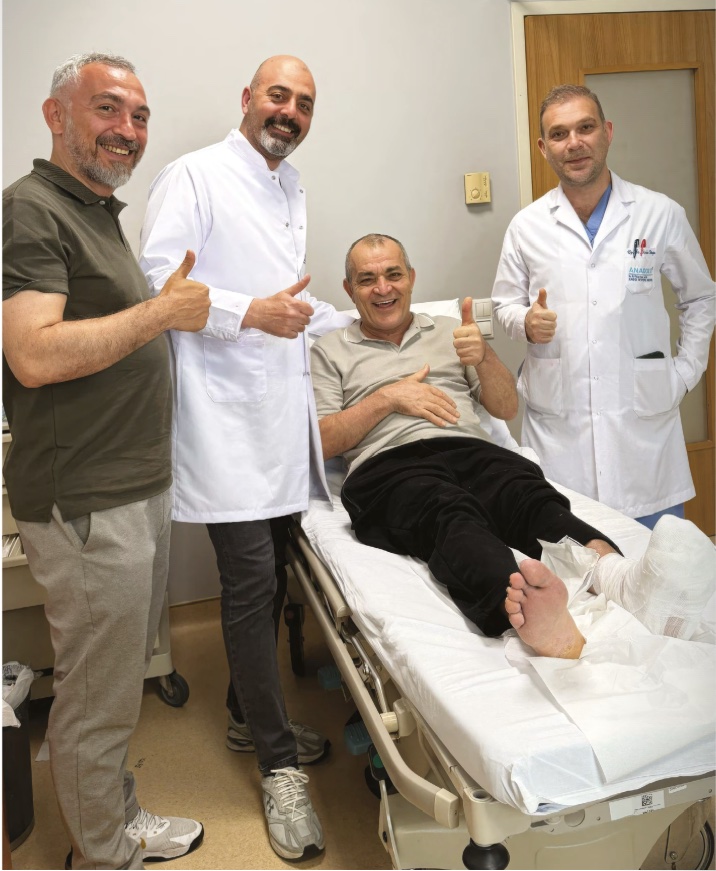
What did his doctor say?
“When our patient presented to us, the clinical picture was already very advanced. Vascular occlusion in the leg had severely impaired tissue nutrition, and a heavy infection accompanied it. Frankly, he was on the verge of losing his leg. At that stage, a single treatment cannot deliver results. Over a long and difficult process, we applied many different treatment protocols together and in stages. With patience, close follow-up, and our patient’s will to cling to life, we succeeded in saving the leg that was about to be lost.”
Outcome: the leg was saved
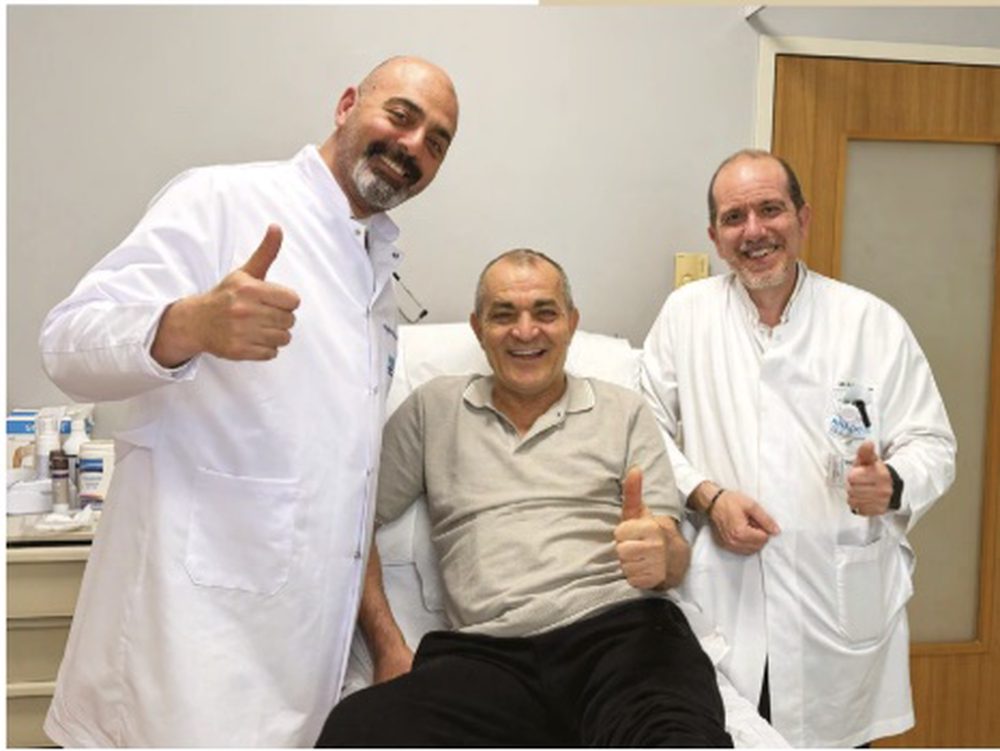
After that demanding struggle, İsmail Doğru stands firmly today on the same leg he had entered the hospital fearing would be amputated. This story is not only a medical success — it is a reminder for anyone who still says “never give up,” even in the darkest hour.
When vascular occlusion, infection, and amputation risk come together in a diabetic foot wound, early multidisciplinary evaluation is vital. If you are in a similar situation, you can seek a second opinion or request an appointment.
Source: Vital Magazine, Issue 60
This content is for informational purposes only. Information on this site is intended to provide support and does not replace a physician’s examination, diagnosis, or treatment. Please consult a doctor for decisions about your health.